
 +44 (0)1455 848 411


Deadheading: A Darkly Comic Race Against Time, Shot on TLS Vega
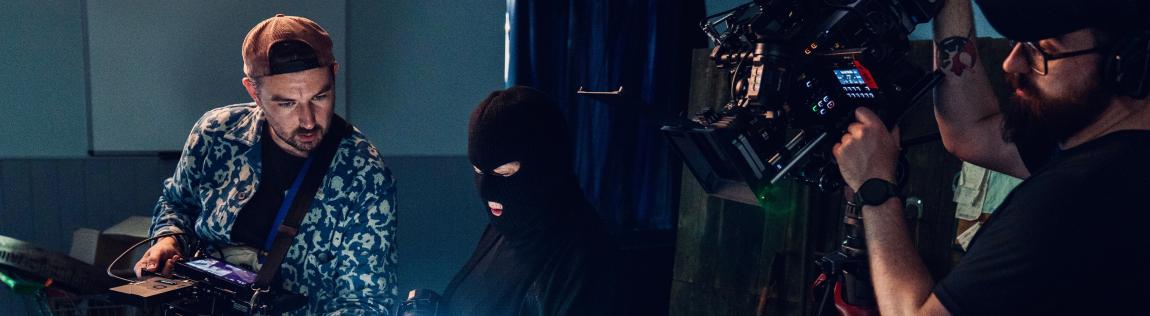
There’s something quietly devastating at the heart of Deadheading. Beneath the mischief, the absurdity, and the increasingly questionable decisions lies a simple, deeply human question: what do you do when time runs out on the person you love?
For Doreen, the answer is action.
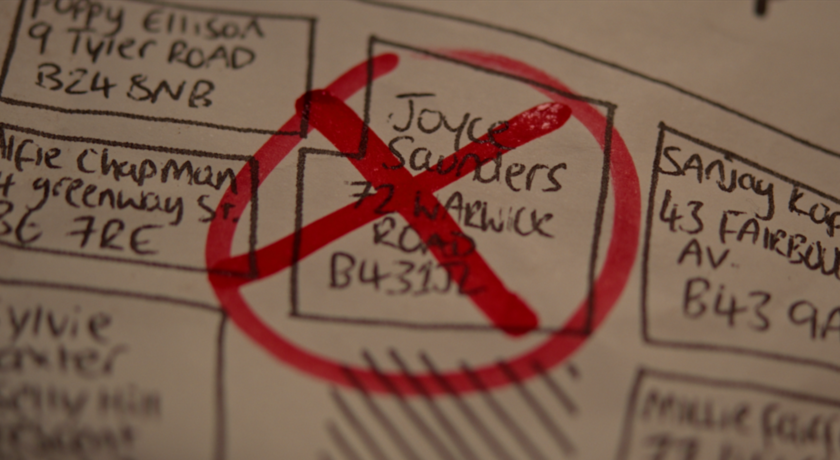
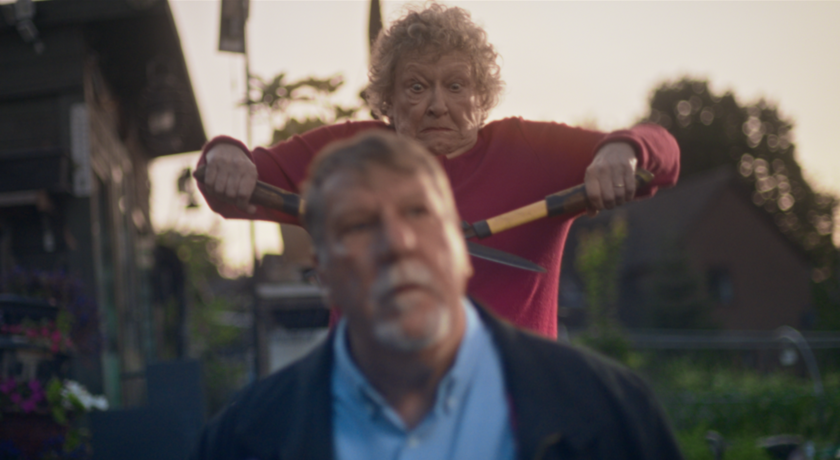
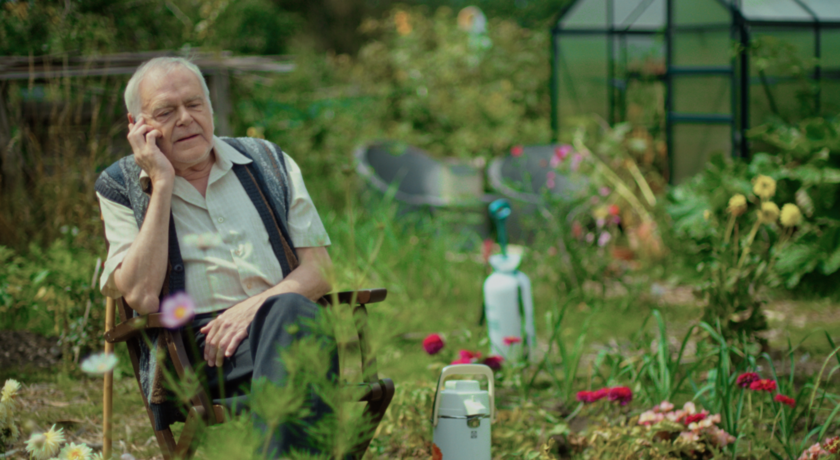
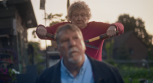
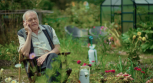
When her husband Jim is diagnosed with terminal cancer, his long-held dream of owning an allotment garden suddenly becomes urgent. But with an 18-month waiting list standing in the way, Doreen refuses to accept reality as it is. Instead, she begins to reshape it, one name at a time.
What unfolds is a darkly comic spiral, where grief, love, and determination blur into something far more unsettling.
Finding the Tone: Where Warmth Meets Wickedness
From the outset, director Jack Hughes knew Deadheading had to walk a careful tonal line. The story is undeniably outrageous, but its emotional core is sincere. Push too far in either direction, and it risks losing its impact.
The team looked to classic British cinema for guidance, films where charm and cruelty coexist effortlessly. Works like The Ladykillers and Kind Hearts and Coronets offered a blueprint: heightened worlds grounded by precise performances and controlled visual language.
Rather than chasing spectacle, the intention was to let the story breathe.
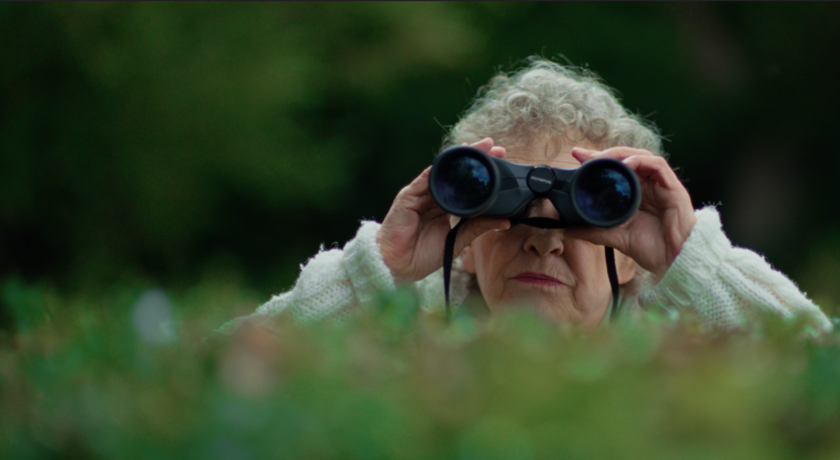
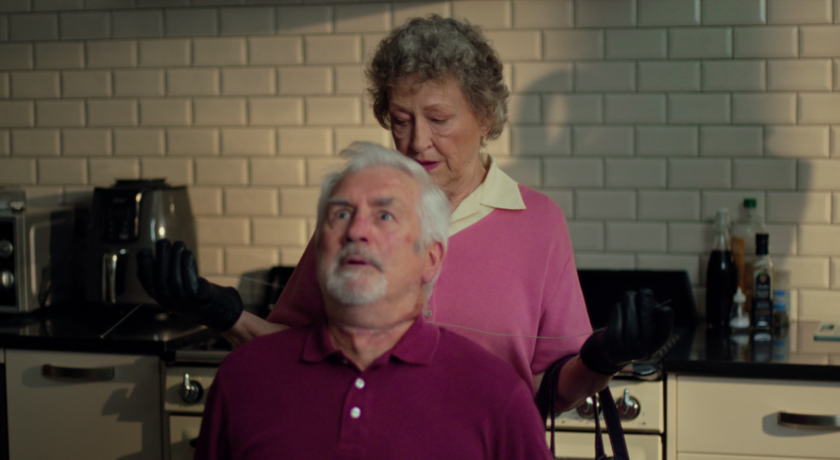
Frames are often held wider than expected, allowing the audience to sit with Doreen in her environment, her flat, her routines, her quiet descent into moral ambiguity. The camera doesn’t rush to judge her. It simply observes.
A World That Feels Watched, Not Shown
Jack Hughes approached the film with a clear instinct: restraint would make everything land harder.
Instead of leaning into heavily stylised visuals often associated with modern dark comedy, the goal was to create something clean, vivid, and quietly intimate, a world that feels real enough to step into, yet just heightened enough to carry its strangeness.
“We didn’t want the visuals to overwhelm the story,” Jack explains. “We wanted the audience to feel like they were watching something unfold naturally, almost as if they shouldn’t be there.”
That subtle, voyeuristic quality became central to the film’s identity.
“We wanted it to feel observational rather than constructed,” adds Ash Connaughton (DOP). “Like the camera just happened to be in the room.”
The camera lingers just long enough, sits just far enough back, and only moves closer when something truly demands it.
The Lens That Unlocked the Film
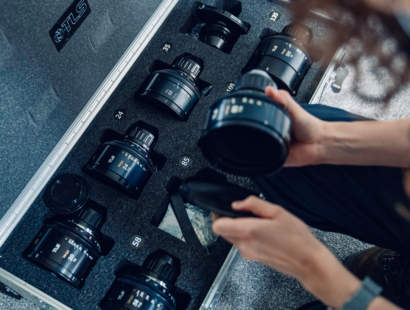
That philosophy found its perfect partner in the TLS Vega lens set.
Early on, the decision to shoot large format on the Blackmagic URSA Cine 12K LF was about scale, expanding a story set in small, everyday spaces into something that felt visually rich. But scale alone wasn’t enough. The image needed character, without tipping into distraction.
The Vega lenses provided that balance almost immediately.
“As soon as we tested them on TLS open day, it just clicked,” Jack recalls. “They had this ability to feel clean but not sterile, expressive but not overpowering.”
Ash was equally drawn to how the lenses handled contrast and texture.
“They gave us a really nice balance,” he explains. “There’s a clarity to the image, but it never feels clinical. You still get that subtle character, especially in the way they render skin and fall-off, that keeps everything feeling human.”
This allowed the team to lean into one of the film’s key visual ideas: intimacy through contradiction.
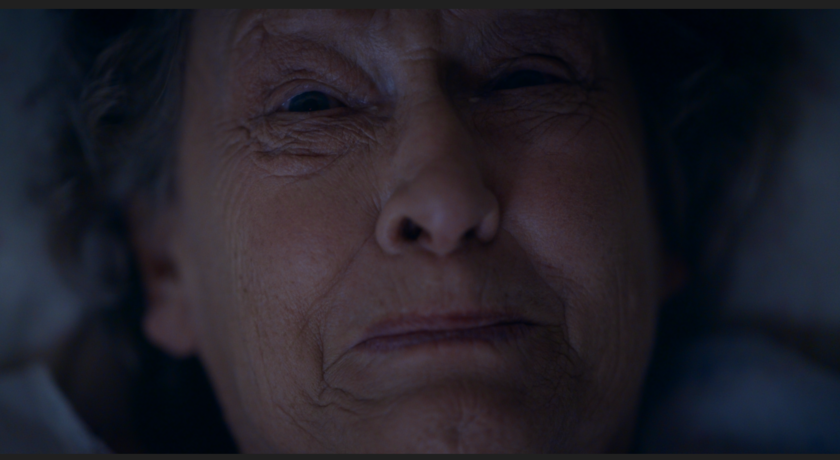
Wide lenses are used up close, placing Doreen firmly within her environment while subtly distorting it. The result is a quiet sense that something isn’t quite right, an emotional undercurrent that mirrors her internal state.
When the World Starts to Shift
As Doreen’s actions escalate, so too does the visual language, though never in an obvious way.
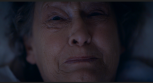
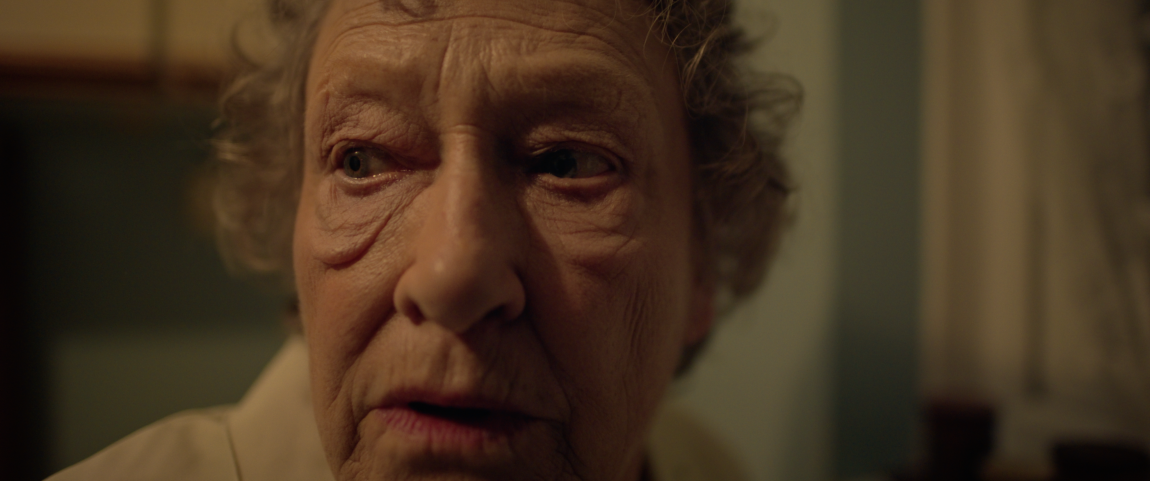
In one key moment, as a heavy realisation dawns on her, the camera moves closer than it has before. The Vega lenses’ minimum focal distance is pushed to its limits, bending space just enough to register subconsciously.
“We weren’t trying to suddenly stylise everything,” Ash says. “It was more about letting the lenses do the work, just nudging things far enough that the audience feels it, even if they don’t consciously notice it.”
The effect isn’t flashy. It never announces itself. But it shifts the ground beneath the audience.
We’re no longer simply observing Doreen, we’re inside her perspective.
Discovery Through Experimentation
One of the most unexpected outcomes of the lens tests was how much they influenced the storytelling itself.
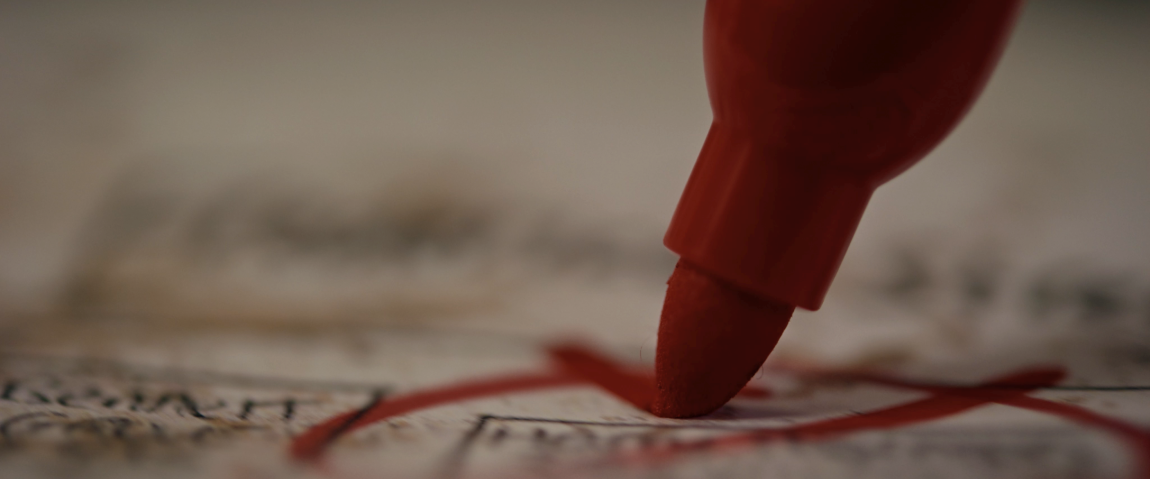
The TLS 60mm Macro, in particular, opened up new creative possibilities. Its close-focus capability and optical texture encouraged the team to think more physically about how objects could interact with the frame.
“We ended up writing new shots because of it,” Jack says. “We started rigging props to the camera, creating these strange, tactile moments that felt slightly surreal but still grounded in her world.”
These moments add a layer of playfulness to the film, brief glimpses where reality feels just a touch elastic, echoing the absurdity of Doreen’s mission.
Precision Under Pressure
While the visuals feel effortless on screen, achieving them required a high level of technical precision.
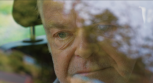
Shooting predominantly at T1.5, the production embraced an extremely shallow depth of field, keeping focus razor-thin and performances front and centre. It was a demanding setup for the camera team, but one that paid off in texture and intimacy.
“At that stop, everything becomes critical,” Ash explains. “But the Vega lenses were really forgiving in a good way. The fall-off feels natural, and the focus roll is smooth, so it never feels harsh or distracting.”
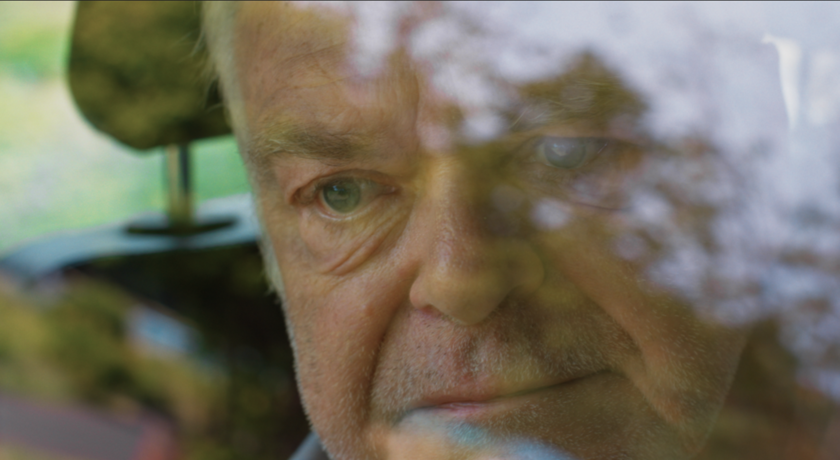
Despite their speed, the Vega lenses maintained a softness where it mattered most: Natural, flattering skin tones, smooth falloff, gentle, cinematic bokeh.
They never pulled attention away from the performances, only supported them.
A Story That Stays With You
At its core, Deadheading isn’t really about murder. It’s about love, specifically, the kind of love that refuses to sit still in the face of loss.
Doreen’s actions are extreme, even absurd. But they’re driven by something deeply recognisable: the need to do something, anything, when confronted with the inevitable.
That emotional truth is what anchors the film, allowing its darker elements to land with both humour and weight.
Looking Ahead
With the film now complete, Deadheading is beginning its journey on the festival circuit, aiming to connect with audiences who appreciate stories that balance tone as carefully as they do narrative.
Its first major recognition has already arrived, with selection for the Sony Future Filmmaker Awards, an opportunity that will see the film presented in Los Angeles as part of a development programme with Sony Pictures.
For the team, it’s a strong start to what they hope will be a long life for the film.
Discover More
Find out more about Deadheading on Instagram: @deadheadingfilm
Learn how TLS can help you preserve and enhance your cinema lenses. Contact us on +44 (0) 1455 848 411 or Sales@truelens.co.uk