


 +44 (0)1455 848 411


Finding Emotion in Every Frame: Andrew Wonder on Oh, Canada and TLS Rehoused Zeiss B Speeds
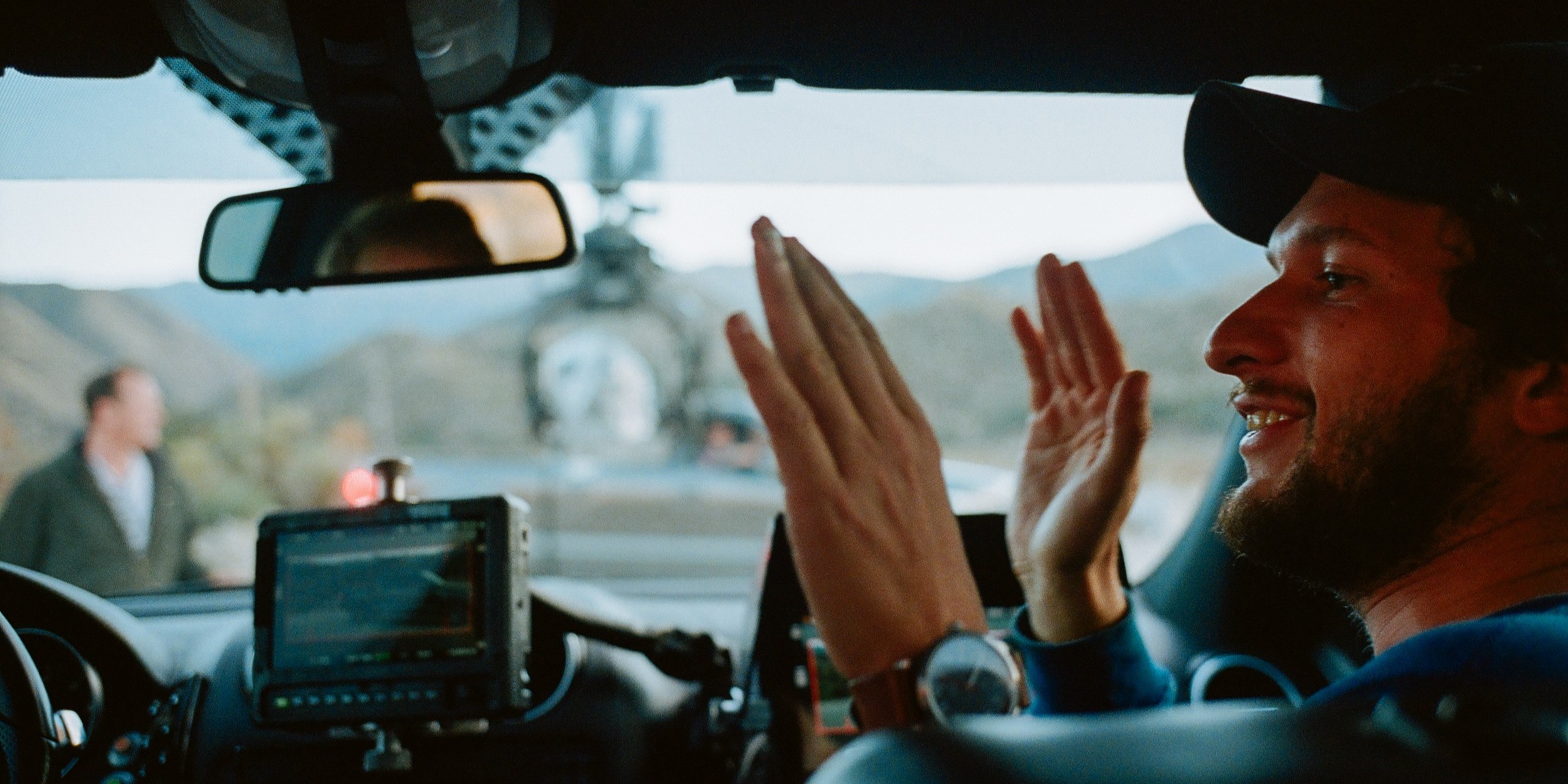 Image of Andrew Wonder
With a portfolio that spans narrative features, immersive documentaries, and commercials, Andrew Wonder is a cinematographer known for his emotive and character-driven visual language. His work blends a deep respect for story with a sensitivity to performance and place. In Oh, Canada, the latest film from director Paul Schrader, Andrew brings a haunting, delicate aesthetic to a story that unfolds across decades — and chose TLS Rehoused Zeiss B-Speed lenses to help him do it.
We spoke to Andrew Wonder about his visual approach to Oh, Canada, why these lenses have become so personal to him, and how the TLS rehousing process elevated a set of vintage optics into something deeply cinematic.
Oh, Canada has such a unique visual style. What initially drew you to the project, and how did you approach the visual storytelling for the film?
When I first read the script for Oh, Canada, I immediately connected with the intimate, reflective story. The kind of vulnerability I saw on the page.... it felt like a gift. It was a dream to bring my visual style to something that felt so cinematic.... This film spans a lifetime, and I approached it almost like a mosaic: each era with its own visual identity, but all united through feeling. My job was to create frames that gave the actors space to live and light that carried memory and mortality inside it.
I wanted the images to carry the weight of memory, to hold space for the performances, and to meet the script's honesty with the same level of care. Hopefully, we made something that stands alongside his most visual work — with my intention of it being Paul Schrader's most visual since Mishima.
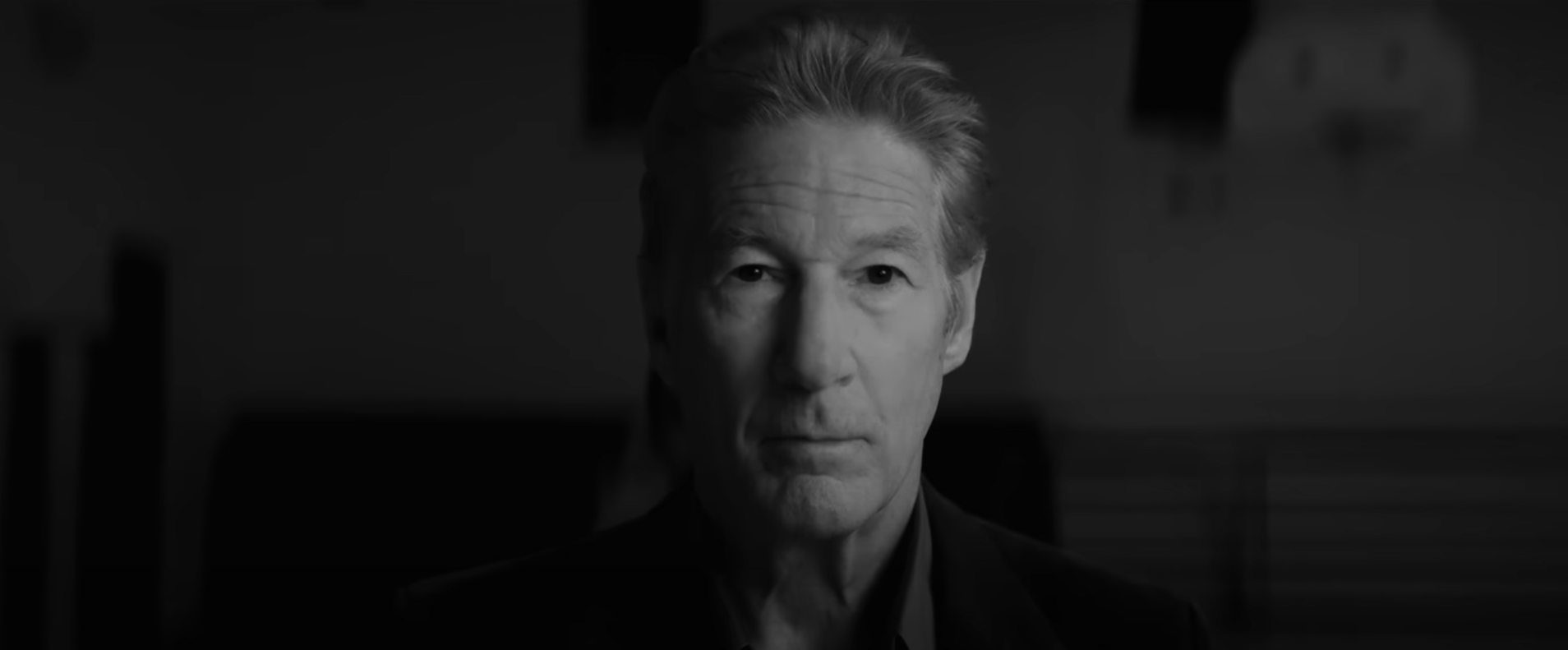 Still from Oh, Canada
Every film has its own mood and atmosphere. Were there any specific visual references or inspirations that influenced the look and mood of Oh, Canada?
I try not to chase other films when building a look — I’d rather let the script and the actors guide me. But I do keep certain filmmakers close when I’m thinking through tone. Jean-Luc Godard has become a well of inspiration and aspiration for me. There’s always a bit of Ingmar Bergman and Orson Welles in the back of my mind, especially when I’m working in black-and-white. And more than his actual work, Gordon Willis’s attitude and approach was something I studied again for this — not technical setups, but his fearlessness in letting the shadows speak. Did you know his films were so warm because he hated the color blue? That detail stuck with me. Intention comes as much from preference as it does from the opportunity in front of us.
A lot of the inspiration came from life — and from those 17 days we all spent together making the film. That feeling of fading light at the end of the day. The silence of a hospital room. The warmth of memory that gets more vivid the closer you get to the end. That’s where the look came from — the way memory feels when you’re at the edge of it.
What made the TLS rehoused Zeiss B-Speed lenses the ideal choice for your vision on Oh, Canada?
Those lenses are part of my fingerprint. I’ve been shooting on the same set of uncoated B Speeds for years — they’re flawed in all the right ways, and I’m a sucker for that triangle iris. Beyond the creamy look, texture, and falloff, there’s history in that glass. They were originally made for Kubrick but weren’t finished in time for Barry Lyndon — and then went on to become the backbone of so many films I love, from Taxi Driver to Possession. That legacy matters to me. It’s the cinema I believe in.
Over the years, I’ve owned four different sets and worked with Paul Duclos to combine them into a set that felt uniquely mine — uncoated to my taste, tuned to the way I see faces and places. So when TLS offered a proper rehousing, I rushed to Gavin Whitehurst as fast as I could. I was desperate to preserve the triangle iris but gain the flexibility and reliability I’d always admired in his rehoused Cooke S2s — but with a little less weight and size. I believe I got one of the first sets. He was going to add a special color to the barrel just for me, but due to COVID supply delays, we kept them all black — clean, simple, classic.
What Gavin and his team at TLS did was take the glass I knew and make it sing. Better focus falloff, smoother mechanics, better coverage. They feel like all the best qualities of my B Speeds — that emotion, that softness, that subtle glow — combined with the precision and durability of a modern prime. They handled the entire present-day section of Oh, Canada beautifully. I still keep an unrehoused set around for more intimate work, but it’s hard to give up the extra magic TLS offers.
During production, were there any characteristics – such as bokeh, contrast, or flare – that stood out to you and contributed to the film’s visual look?
The flares on the Wonder Speeds are a huge part of their signature. There’s this bloom that happens just before it falls apart — it’s never distracting, but it’s alive. But honestly, the biggest shift for me came during the makeup tests with Richard Gere. I’d spend hours just sitting with him, learning how the light hit his face, meeting him as a person first. Then we’d bring out the 50mm, and suddenly — I’d see a movie star. A legend. But also someone trying to be vulnerable in this incredibly stripped-back role.
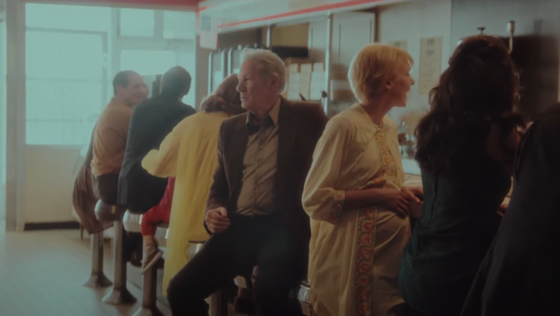

Stills from Oh, Canada
Once I saw what the rehoused lenses were doing — how the improved falloff and subtle contrast played against the structure of his face — I saw the film. That was the moment. The lenses didn’t make the image sharper, but they made it more dimensional. On the Alexa 35, they gave me just enough precision to hold the emotion in his eyes, but still enough softness to feel human. That balance gave me the confidence to start making bigger decisions — leaning into contrast and filtration, letting highlights wrap, pushing the story forward visually. Everything else followed from that frame.
The triangular bokeh is classic, but the emotional texture is what stood out. The way they hold imperfections in focus — it feels like watching someone breathe on screen.
What was your experience with TLS rehoused lenses? How did the rehoused version of the lenses perform on set?
Seamless. Truly. I’ve known these lenses inside and out for over a decade, and what TLS did was preserve their soul while elevating their reliability and mechanics. On a 17-day shoot like Oh, Canada, I needed lenses I could trust without compromise — fast, compact, and optically honest. The rehoused versions never slowed us down, never got in the way of a moment. We were pushing close focus, edge-to-edge performance, and they held beautifully. It’s rare to find glass that’s both poetic and production-ready — that’s what this collaboration gave me.
Size is everything to me. Every pound is another minute you have to wait. These lenses were small enough to fit in the palm of my hand, but still strong enough to support a matte box, a motor, whatever we needed. And most importantly, I could rely on them. Whether I was on a dolly or squeezing into a corner with a handheld rig, they held focus, held character, and let the emotion lead.
Certain lenses often bring out the best in specific scenes. Were there any moments in Oh, Canada where the Zeiss B-Speed lenses played a crucial role in storytelling or achieving a particular look?
Whether with him in interview or on his deathbed — Richard’s face was this film for me. When he first asked how I was going to shoot it, I told him: I’m going to give you light and shadow in every frame, and you can use your performance to decide what you need in each moment.

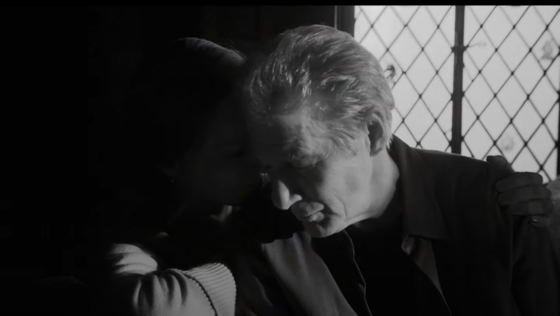
Stills from Oh, Canada
Rendering faces is all about the lens. I wanted the frames to feel like they were breathing with him, like light and shadow were constantly in quiet conflict. The B Speeds let me ride that edge — catch the glint in his eye, the softness of his breath — without ever drawing attention to the glass. It felt like we were witnessing something private. The lens didn’t just capture — it understood.
But the moment I’m most proud of — the one I’ll carry with me — was Richard’s death scene. We shot it at sunset, in real light, with no tricks. Just Richard, the window light, and the lens. We had 20 minutes to get it. That kind of moment, with a legend, at the end of a film like this — you don’t over-light it. You don’t overthink it. You prepare, then you let the emotion lead. The Wonder Speeds gave me the freedom to do that. It was a gift — not just to shoot, but to witness.
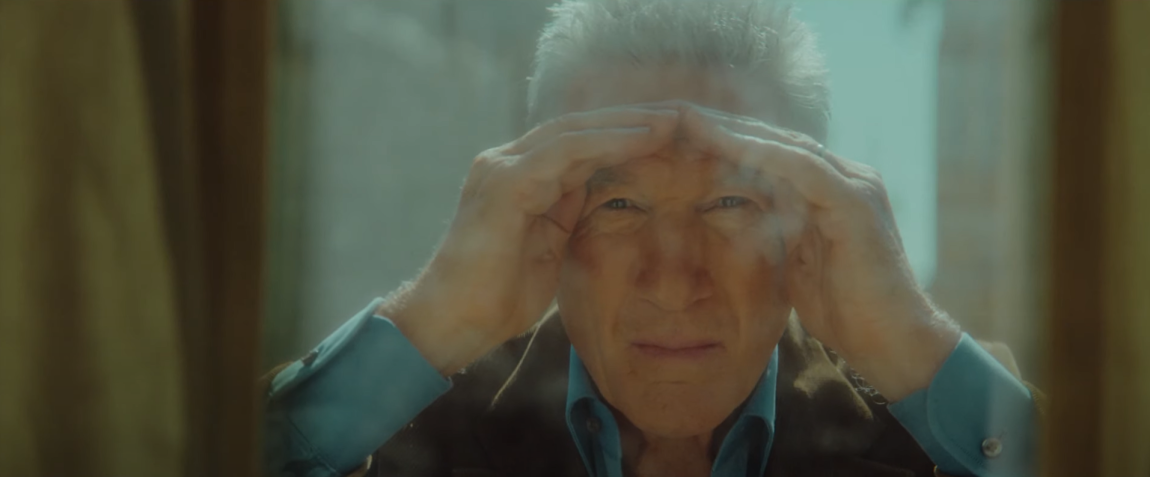
Still from Oh, Canada
Do you have any upcoming projects where you’re excited to work with the TLS rehoused Zeiss B-Speed lenses again?
Absolutely. They’ve become a core part of how I see now. Since Oh, Canada, they’ve shot two more features with me, as well as my personal work and a recent collaboration I directed for Car Seat Headrest’s new album. I’m currently writing a new feature that deals with despair — it’s gritty and personal in a very different way than Oh, Canada, but I already know these lenses are coming with me. I trust them to be invisible when they need to be, and expressive when the story calls for it.
To my friends in New York’s dismay, you’ll probably have to bury me with these lenses — I don’t let them leave my side. I won’t even rent them out because they’re so personal to me. They’ve become the life force behind 90% of the images I create. I trust them. I rely on them.
In a world where we’re surrounded by images from every angle and every level of quality, I think personal intention and perspective is all we have left to give audiences. TLS didn’t just rehouse my lenses — they turned the glass I love into the way I see the world. What more could I ever ask for in a lens?
Discover More
You can find out more about Andrew Wonder on his website (https://wonder.nyc/) or instagram page: @andrewwonder
Learn how TLS can help you preserve and enhance your cinema lenses.
Contact us on +44 (0) 1455 848 411 or Sales@truelens.co.uk


